Listeners:
Top listeners:
-
 play_arrow
94.3 Rev-FM The Rock of Texas | Where Texas Rocks
-
 play_arrow
99.1 The Buck Texas Country's Number 1 Country
-
 play_arrow
103.7 MikeFM Your Texas Hill Country Mix Tape
-
play_arrow
KERV 1230 AM
-
 play_arrow
JAM Sports 1 JAM Broadcasting Sports 1
-
play_arrow
JAM Sports 2 JAM Broadcasting Sports 2


4th person dies from Legionnaires’ disease in New York City: Health officials
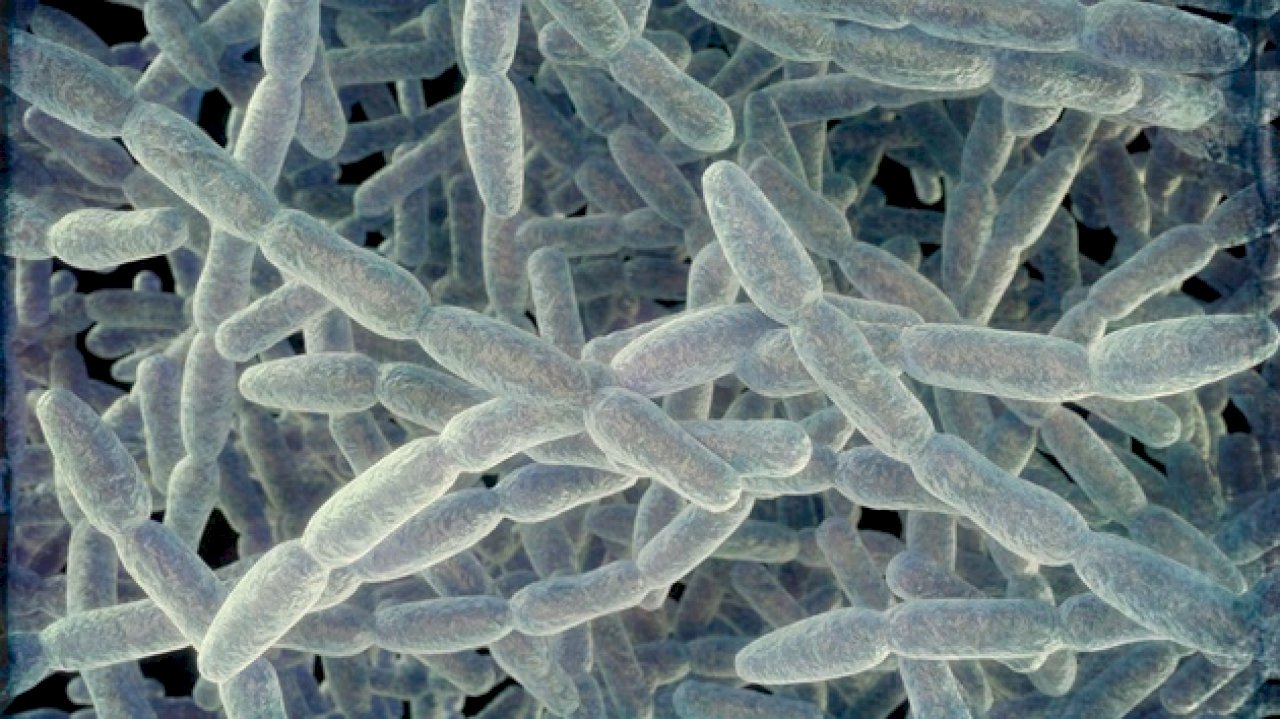
(NEW YORK) — A fourth person has died in New York City amid an ongoing cluster of Legionnaires’ disease on the Upper East Side, according to health officials.
At least 76 cases have been identified and seven people remain hospitalized, the New York City Health Department announced.
Since the cluster began, 53 people have been discharged from the hospital, according to the department.
Health officials advised that anyone who has spent time in the affected ZIP codes 10028, 10075, 10128, including Carnegie Hill and Yorkville, should seek medical attention if they develop flu-like symptoms. Legionnaires’ disease symptoms can appear up to 14 days after exposure, according to the health department.
The department previously said it believes the source of the Legionella bacteria has likely been eliminated and that it will continue inspecting every cooling tower that tested positive for the bacteria.
Health officials added there is not an issue with any building’s plumbing system and that residents in the affected ZIP codes can continue to drink tap water, bathe, shower, cook and use an air conditioner at home.
Legionnaires’ disease is a severe form of pneumonia caused by inhaling the Legionella bacteria in small droplets of water mixed in the air or contaminated water accidentally going into the lungs.
The bacteria are found naturally in freshwater, but amounts generally don’t lead to disease. The bacteria typically grow best in warm water and in warm to hot temperatures, according to the Centers for Disease Control and Prevention (CDC).
The disease does not generally spread from person to person, but infections can occur if the bacteria get into a building’s water supply, including in shower heads, sink faucets, hot water tanks, heaters, cooling towers and other plumbing systems.
Legionnaires’ disease has increased in prevalence over the last decade, reaching a peak of 2.71 cases per 100,000 in 2018, the CDC said. Cases dropped during the first year of the COVID-19 pandemic and then rebounded in 2021.
Although most people recover from Legionnaires’ disease with antibiotics, certain patients — including those who are immunocompromised or who suffer from chronic lung diseases — can develop complications that can be fatal.
ABC News’ Youri Benadjaoud contributed to this report.
Copyright © 2026, ABC Audio. All rights reserved.

Top popular

Ingram man charged with murder after fatal shooting

Kerr Crime Stoppers offering reward up to $5,000 for information in last week’s non-viable school threat

KISD asks parents to communicate with children about words and actions after ‘copy cat’ threat note found at middle school

City of Kerrville Parks and Recreation reminds citizens that a Red Flag Warning is in effect until further notice

City of Kerrville says that May 7 General and Special Elections will proceed