Listeners:
Top listeners:
-
 play_arrow
94.3 Rev-FM The Rock of Texas | Where Texas Rocks
-
 play_arrow
99.1 The Buck Texas Country's Number 1 Country
-
 play_arrow
103.7 MikeFM Your Texas Hill Country Mix Tape
-
play_arrow
KERV 1230 AM
-
 play_arrow
JAM Sports 1 JAM Broadcasting Sports 1
-
play_arrow
JAM Sports 2 JAM Broadcasting Sports 2


‘Can’t catch a break’: Shoppers squeezed by surging inflation and higher interest rates
(NEW YORK) — Kelsey Benson said she was laid off from a job in sales earlier this month, leaving her without health insurance at a time when price hikes are weighing on the rest of her budget.
The monthly out-of-pocket cost of Benson’s name-brand medication for attention deficit hyperactivity disorder jumped from $120 to $500, she said. That sudden expense came at a time she was already struggling with rising rent and utility costs, she said.
“You should not have to wear yourself down to nothing to be able to live,” said Benson, 32, who lives in Queens, New York.
The financial strain has complicated Benson and her partner’s potential plans for buying a house and having a child, she said.
“The dream, many people have been told, is you get the white picket fence, the house,” Benson said. “It’s not attainable.”
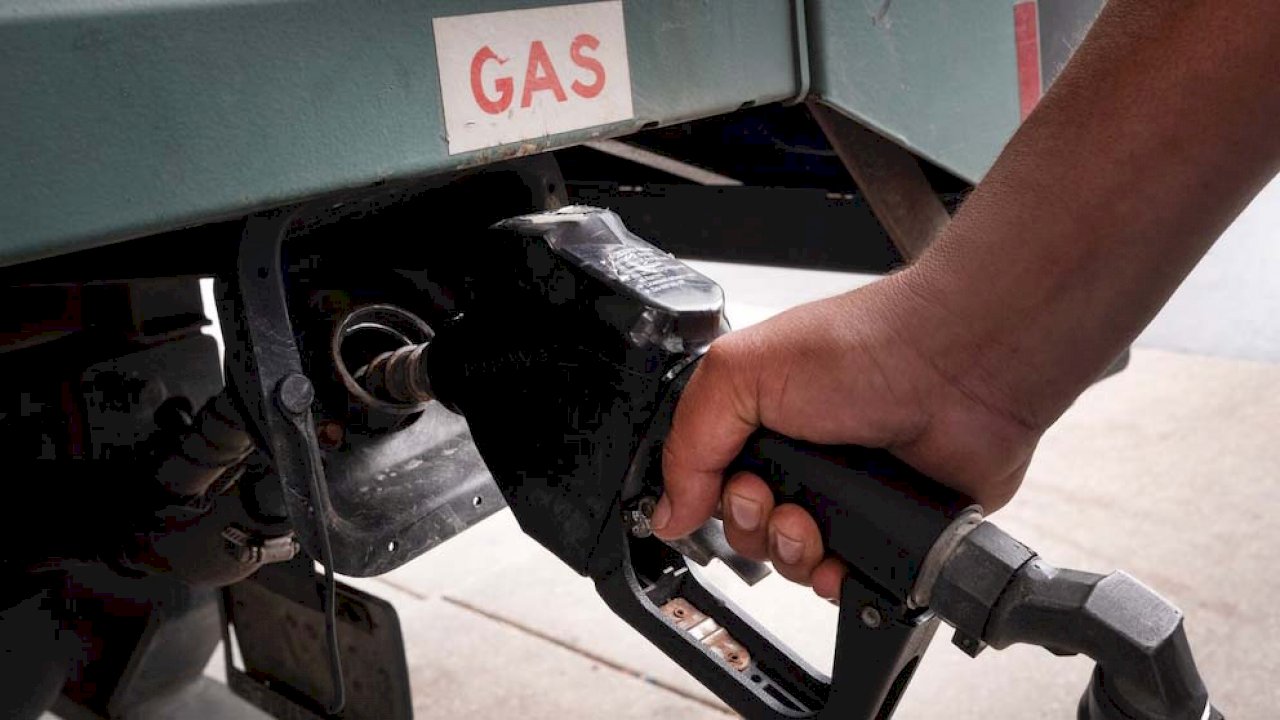
Benson is hardly the only person getting hammered by price hikes. A monthslong surge of inflation set off by the Iran war has driven up costs nationwide for gasoline, groceries and other products, squeezing many household budgets.
Shoppers expect inflation to rise even more over the next year, according to a recent University of Michigan consumer survey, while individuals’ view of their financial outlook has worsened.
In response to rising prices, a key long-term Treasury rate hit its highest level in nearly two decades earlier this month, even before the Federal Reserve raised benchmark borrowing costs. The rise in borrowing costs pushed up rates for loans like credit cards and mortgages, threatening to worsen the financial crunch.
“A lot of people across America have cut the expenses that they can cut,” Ted Rossman, a financial analyst at nonprofit advisory firm Money Management International, told ABC News. “They feel like they can’t catch a break.”
Drew Davis, 26, a law student in New York City, said the recent surge in prices dawned on him in the meat section at his local grocery store.
During a shopping trip this summer, Davis said he noticed prices for his preferred types of beef and chicken had climbed $1 or $2 since he began law school three years ago.
“I’ll buy, like, fattier beef, or I’ll buy chicken instead of beef mostly, just because it’s cheaper a lot of the time,” Davis said.
Davis, who is financing his education with student loans, said his debt factors into spending decisions such as where he lives and what he buys amid an economic environment he described as “intense.”
Prices rose at an annual rate of 3.4% in August, the most recent month on record, federal government data showed. Inflation stands more than a percentage point higher than the Federal Reserve’s target rate of 2%.
The average price of a gallon of gas in the U.S. is $4.47, according to AAA, marking a 50% jump since the war broke out.
Grocery prices have increased more than 20% over the last five years, U.S. Bureau of Labor Statistics data showed.
“People are feeling what’s happened the last several years,” Rossman said. “The accumulated toll is really stacking up.”
Steve Prentice, 70, who is semi-retired and works part-time at a yarn store in Tennessee, said the most noticeable price increase is gas.
“This is the first time I can recall gas being above $4 [a gallon],” Prentice said.
The cost crunch prompted Prentice and his wife to seek out bargains on groceries. Prices at all of the chain supermarkets nearby have “generally gone up,” Prentice said, forcing him and his wife to turn to lower-priced stores.
“Their prices seem a little bit more stable, but even they have gone up,” Prentice said.
Copyright © 2026, ABC Audio. All rights reserved.

Top popular

Ingram man charged with murder after fatal shooting

Kerr Crime Stoppers offering reward up to $5,000 for information in last week’s non-viable school threat

KISD asks parents to communicate with children about words and actions after ‘copy cat’ threat note found at middle school

City of Kerrville Parks and Recreation reminds citizens that a Red Flag Warning is in effect until further notice

City of Kerrville says that May 7 General and Special Elections will proceed