Listeners:
Top listeners:
-
 play_arrow
94.3 Rev-FM The Rock of Texas | Where Texas Rocks
-
 play_arrow
99.1 The Buck Texas Country's Number 1 Country
-
 play_arrow
103.7 MikeFM Your Texas Hill Country Mix Tape
-
play_arrow
KERV 1230 AM
-
 play_arrow
JAM Sports 1 JAM Broadcasting Sports 1
-
play_arrow
JAM Sports 2 JAM Broadcasting Sports 2


Wholesale prices rise at fastest pace in nearly 4 years
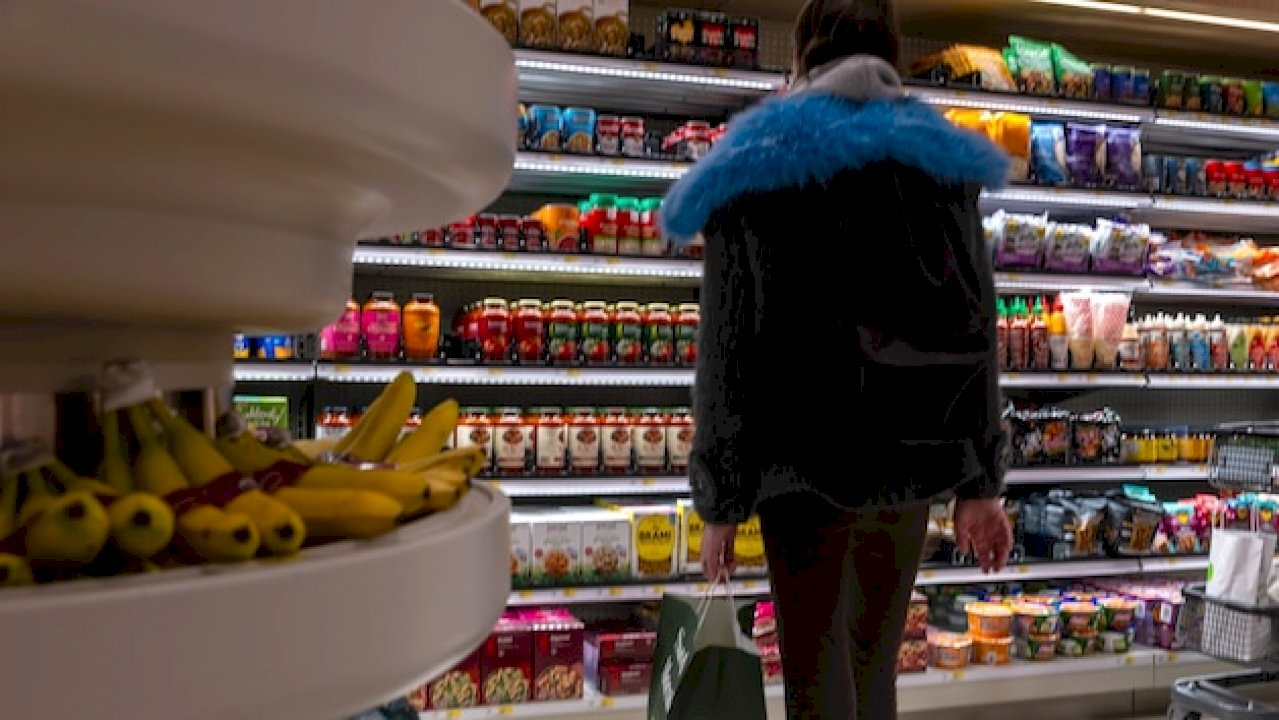
Wholesale prices climbed in October at their fastest annual pace in nearly four years, a government report on Friday showed.
The producer price index, which measures the amount domestic producers pay to their suppliers, rose 6.5% in October compared to a year earlier, the U.S. Bureau of Labor Statistics said.
That figure marked the largest annual jump in wholesale prices since November 2022, when suppliers weathered fallout from the COVID-19 pandemic.
While the annual rate marked the highest reading in years, the figure came in slightly below economists’ expectations.
Since the outbreak of the Iran war hiked fuel costs earlier this year, the monthly wholesale-price measure has drawn close attention as an indicator of a potential pass through to consumer prices.
On a monthly basis, wholesale prices jumped a seasonally adjusted 0.3% in October from September. That figure, which came in slightly below expectations, marked a slowdown from a rise of 1.4% in the previous month, BLS data showed.
The wholesale price index for energy ticked down 0.1% in October from September, after having risen a staggering 10% in the previous month. That means wholesale energy costs remained largely elevated in October.
Food prices at the wholesale level, meanwhile, jumped 1.3% in October from September, accelerating from a rise of 1.1% in the previous month.
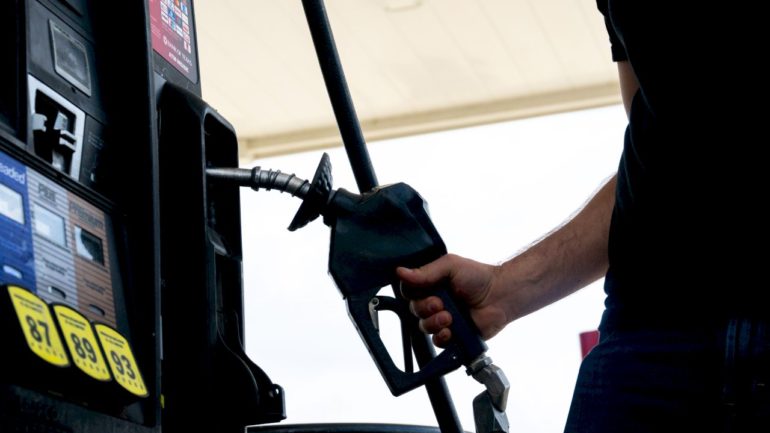
Diesel prices, which feed into supply costs for groceries and just about every other product bought in stores, stand at $6.06 a gallon, according to AAA. That price amounts to an increase of about 61% from a year earlier.
The fresh data on producer prices arrived days after a report on consumer prices showed hotter-than-expected inflation in October.
Consumer prices rose 0.4% in October, exceeding economists’ expectations of 0.3%. Still, inflation slowed on a monthly basis from September, when prices climbed 0.6%. The monthly increase in October matched the rise in August.
The inflation report omitted a measure of the annual rate of consumer price increases because the BLS did not publish an inflation report last October amid the government shutdown.
The fresh data arrives at a delicate moment for the central bank, where policymakers are weighing a rate increase that could help tackle inflation but risks a slowdown in hiring.
If the Fed were to issue a rate increase at its next meeting in December, the decision would mark the central bank’s second rate hike in four months, after it had gone three years without raising rates.
The odds of a quarter-point rate hike at the Fed’s next meeting are pegged at about 89%, according to CME Group’s FedWatch Tool, a measure of market sentiment.
Copyright © 2026, ABC Audio. All rights reserved.
Top popular

Ingram man charged with murder after fatal shooting

Kerr Crime Stoppers offering reward up to $5,000 for information in last week’s non-viable school threat

KISD asks parents to communicate with children about words and actions after ‘copy cat’ threat note found at middle school

City of Kerrville Parks and Recreation reminds citizens that a Red Flag Warning is in effect until further notice

City of Kerrville says that May 7 General and Special Elections will proceed