Listeners:
Top listeners:
-
 play_arrow
94.3 Rev-FM The Rock of Texas | Where Texas Rocks
-
 play_arrow
99.1 The Buck Texas Country's Number 1 Country
-
 play_arrow
103.7 MikeFM Your Texas Hill Country Mix Tape
-
play_arrow
KERV 1230 AM
-
 play_arrow
JAM Sports 1 JAM Broadcasting Sports 1
-
play_arrow
JAM Sports 2 JAM Broadcasting Sports 2


Should you use your 401(k) to pay off credit card debt?
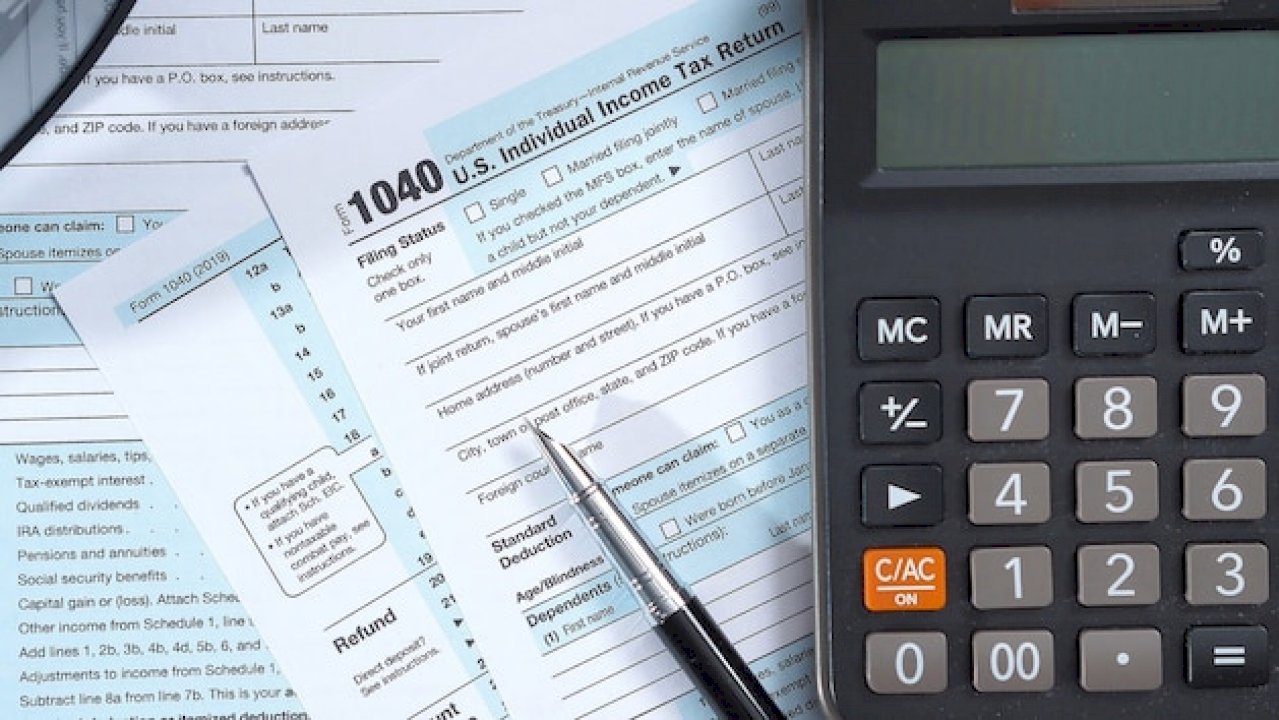
Credit card debt held by Americans stands near an all-time high, according to the Federal Reserve Bank of New York, just as a rise in the Fed’s benchmark interest rate threatens to drive up borrowing costs.
The spending crunch may push some debt holders to tap their 401(k) accounts as a means of paying down what they owe and resetting their finances. But experts who spoke to ABC News cautioned against the move, saying any immediate benefits are typically outweighed by taxes, penalties and years of lost investment returns.
Though some budget-busting emergencies could warrant reaching into a 401(k), they said, the advantages and drawbacks differ, depending on circumstances and execution.
“It’s definitely a tempting option, particularly when credit card debt feels overwhelming and you’ve got this balance of cash sitting in another spot. But the costs of taking out retirement funds to pay down debt are very high,” Timi Joy Jorgensen, a professor and director of financial education and wellbeing at the American College of Financial Services, told ABC News.
Total U.S. credit card debt registered at $1.26 trillion in the second quarter of this year, marking an increase of $21 billion from the previous three-month period, a recent New York Federal Reserve study found, also noting it’s the second-highest debt load on record.
Credit card interest rates, meanwhile, have jumped significantly in recent years. In the second quarter of 2026, the average interest rate on all credit card accounts with a commercial bank stood at 20.94%, up from 15.13% at the same time in 2022, Federal Reserve data shows.
Many borrowers who find themselves squeezed between surging prices and heightened borrowing costs may turn to their 401(k) accounts to escape a cycle of high monthly payments and mounting interest. The prospect of short-term relief, however, could carry life-altering financial damage over the long term, some experts said.
People who withdraw directly from their 401(k) accounts usually incur a 10% early distribution tax if they are under age 59½, in addition to a standard income tax paid on the funds. Depending on an individual’s tax bracket, those payments can result in a combined 401(k) deduction of about 30% or more, Jorgensen said.
“If you want to pay down $20,000 in credit card debt, you need to take out almost $30,000 from your 401(k). It’s pretty expensive as a repayment plan,” Jorgensen added.
To be sure, borrowers can sometimes earn an exemption from the early distribution tax. Some 401(k) plans offer qualified hardship withdrawal, allowing individuals to access their funds under particularly dire financial circumstances. The Internal Revenue Service also allows exemptions from the early distribution tax under certain conditions, including disability, home purchase and terminal illness.
Yet even after taxes, the largest downside of early withdrawal from a 401(k) may still remain. The immediate amount paid to access the funds could pale in comparison to the lost income suffered as a result of years of lost investment returns on the withdrawn funds.
A $20,000 withdrawal, for example, may eliminate the opportunity to earn three or four times as much over the ensuing years. If invested at an annual rate of 7% return, $20,000 would grow to more than $75,000 in two decades, according to Jorgensen.
“You’re taking an asset that’s growing in order to pay down an asset that’s already in the past,” Jorgensen said.
Instead of a direct withdrawal of the funds, 401(k) account holders could take a different approach: a loan.
Under this strategy, a person borrows a set amount from his or her 401(k) account and slowly replenishes the account over time through payments deducted automatically from pay stubs. This option allows a person to avoid the taxes associated with a direct 401(k) withdrawal while accessing funds at an interest rate lower than he or she may otherwise find in a consumer loan, some experts said.
“There are times when the loan makes sense if you’re able to pay it back and your cash flow is keeping up,” Kiersten Saunders, a personal finance author and co-author of “Cashing Out: Win the Wealth Game by Walking Away.”
The main downside of a 401(k) loan is the risk a borrower may lose his or her job before the loan is repaid. Under those circumstances, the full loan amount is typically due by the next tax deadline.
If a person is in truly dire financial straits, he or she may benefit from turning to bankruptcy rather than a 401(k) withdrawal, some experts said. Since federal law shields 401(k) accounts from bankruptcy, the retirement funds may sustain hope for one’s financial future, even if present-day difficulties appear insurmountable, they added.
“The first thing I would do is put that retirement funding and savings out of my mind, because the courts will treat it that way,” Jorgensen said. “If the court isn’t going to touch it, then I wouldn’t touch it.”
Copyright © 2026, ABC Audio. All rights reserved.


Top popular

Ingram man charged with murder after fatal shooting

Kerr Crime Stoppers offering reward up to $5,000 for information in last week’s non-viable school threat

KISD asks parents to communicate with children about words and actions after ‘copy cat’ threat note found at middle school

City of Kerrville Parks and Recreation reminds citizens that a Red Flag Warning is in effect until further notice

City of Kerrville says that May 7 General and Special Elections will proceed