




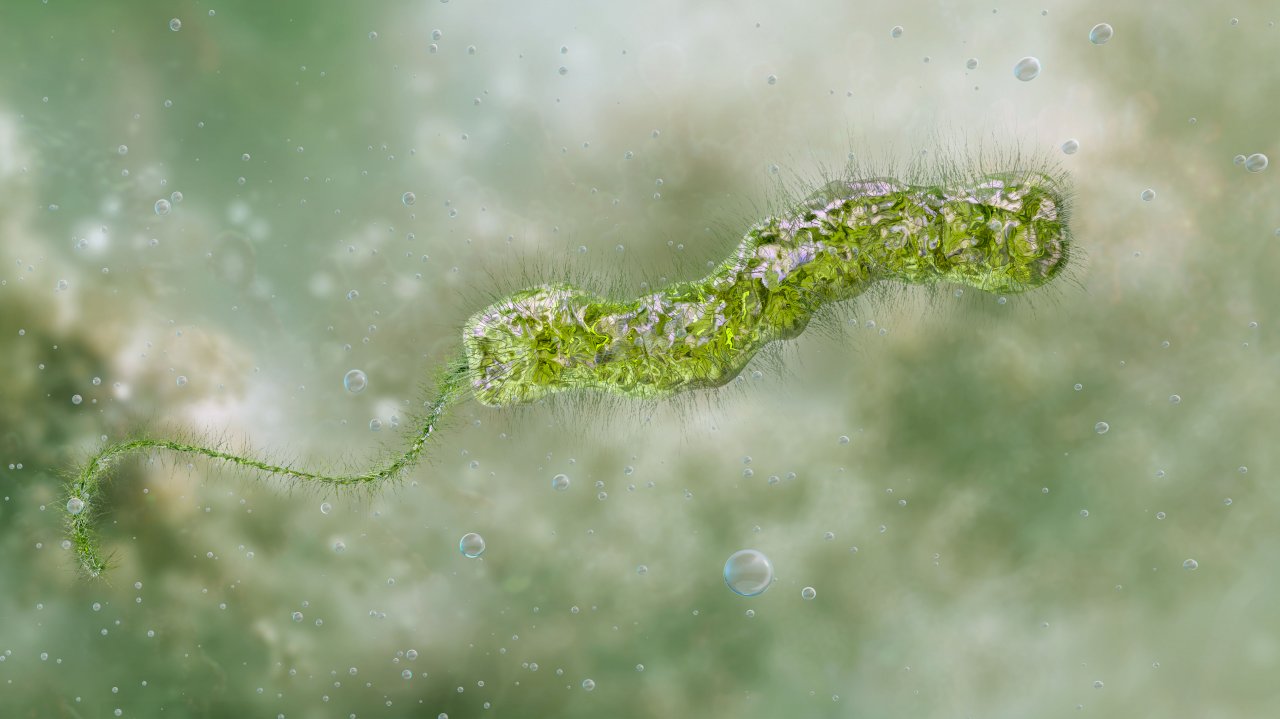
(NEW YORK) — Louisiana health officials on Thursday urged residents to take precautions following an uptick in severe cases of a type of dangerous flesh-eating bacteria Vibrio vulnificus.
So far this year, the state has reported nine cases, five of them fatal. During the same period in previous years, Louisiana averaged seven cases and one death.
The Louisiana Department of Health said all nine cases reported this year were linked to wounds exposed to seawater and that all of the patients had underlying health conditions.
“Vibrio bacteria occur naturally in warm coastal waters and are found in higher numbers from May to October, when water temperatures are warmer. Infection can occur when an open wound is exposed to brackish or salt water or when a person eats raw or undercooked seafood, particularly oysters,” the Louisiana Department of Health said in a statement.
Vibrio infection can result in gastrointestinal illness, wound infection, or blood poisoning, officials said.
“Some species, including Vibrio vulnificus, can cause severe and life-threatening infections. People with severe infections may require intensive care or limb amputation,” health officials added. “About one in five people with Vibrio vulnificus infection dies, sometimes within a day or two of becoming ill.”
Authorities said that people should seek medical care “immediately if a wound exposed to brackish or salt water becomes red, swollen, painful, warm, or discolored,” and that the health care provider should be told about water exposure.
Copyright © 2026, ABC Audio. All rights reserved.